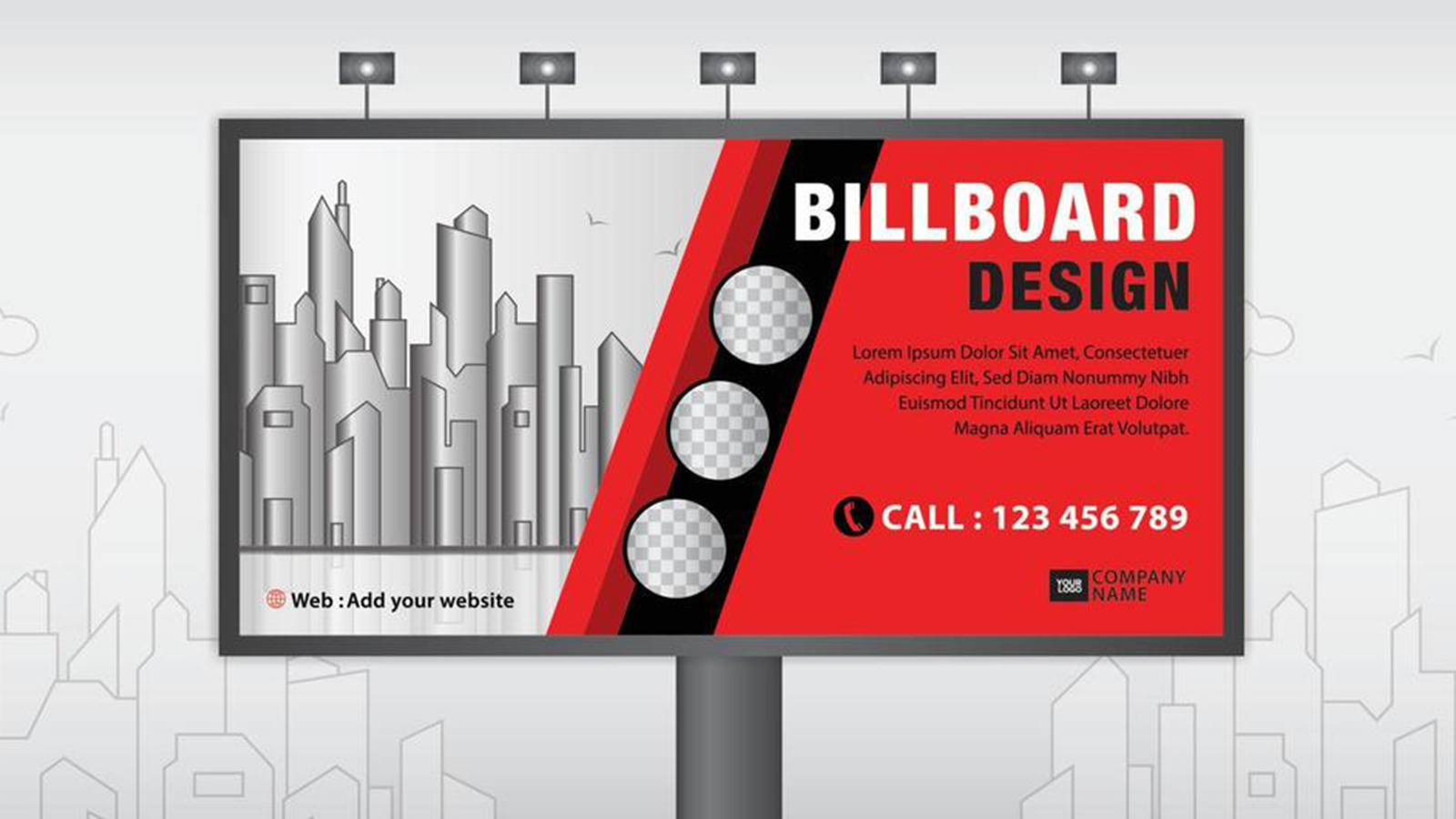
2D and creative billboards are designed to break the monotony of traditional advertising. While 2D billboards rely on flat visuals, creative billboards use innovative concepts, clever design, and sometimes optical illusions to capture attention and leave a lasting impression. These billboards focus more on idea and creativity rather than size or technology.
In this blog, we’ll explore what 2D and creative billboards are, their benefits, types, design principles, and best practices.
What Are 2D Billboards?
2D billboards are flat, two-dimensional advertisements printed on vinyl or paper. They do not include physical extensions or digital motion. Their effectiveness comes from strong graphic design, color usage, typography, and concept clarity.
2D billboards are commonly used for brand awareness, product promotion, and public awareness campaigns.
What Are Creative Billboards?
Creative billboards go beyond standard flat designs. They use innovative visual ideas, unusual layouts, humor, storytelling, or optical illusions to surprise viewers. Creativity makes people stop, look twice, and remember the brand.
Creative billboards may still be 2D in structure but feel “different” because of the concept behind the design.
Why 2D and Creative Billboards Are Effective
1. Instant Attention
Creative visuals naturally attract the human eye, especially in crowded urban environments.
2. Strong Emotional Impact
Humor, shock, curiosity, or storytelling help connect emotionally with the audience.
3. High Brand Recall
People remember unique ideas more than standard advertisements.
4. Cost-Effective Creativity
Even without expensive 3D elements or digital screens, creative 2D designs can achieve powerful results.
Types of 2D and Creative Billboards
1. Concept-Based Billboards
These focus on a strong idea or message rather than heavy visuals. Simple yet clever designs often perform best.
2. Illusion-Based Billboards
Smart use of perspective, shadows, and scale creates a visual illusion that grabs attention.
3. Minimalist Creative Billboards
Uses very few elements—sometimes just one image and a short line—to create maximum impact.
4. Typography-Focused Billboards
Creative use of text, fonts, and spacing turns words into visual elements.
5. Storytelling Billboards
A message that unfolds visually or emotionally at a single glance.
Key Design Principles for Creative Billboards
1. One Strong Idea
A creative billboard should communicate one clear message instantly.
2. Simplicity Is Power
Avoid clutter. Creative impact often comes from simplicity.
3. Bold Colors and Contrast
Strong color combinations help the design stand out from the surroundings.
4. Visual Hierarchy
Guide the viewer’s eye naturally—from the main idea to the brand name.
5. Clear Branding
Creativity should support the brand, not confuse it. Always keep branding visible.
Advantages of 2D and Creative Billboards
-
Lower production cost compared to 3D billboards
-
Faster design and installation
-
High memorability through unique concepts
-
Works well in both urban and highway locations
-
Suitable for short and long-term campaigns
Common Mistakes to Avoid
-
Overcomplicating the idea
-
Using humor that doesn’t match the brand
-
Poor readability from a distance
-
Sacrificing clarity for creativity
-
Ignoring the target audience
Best Practices for Maximum Impact
-
Understand your audience before designing
-
Test the design from a distance
-
Keep text minimal and readable
-
Focus on originality
-
Align creativity with brand identity
