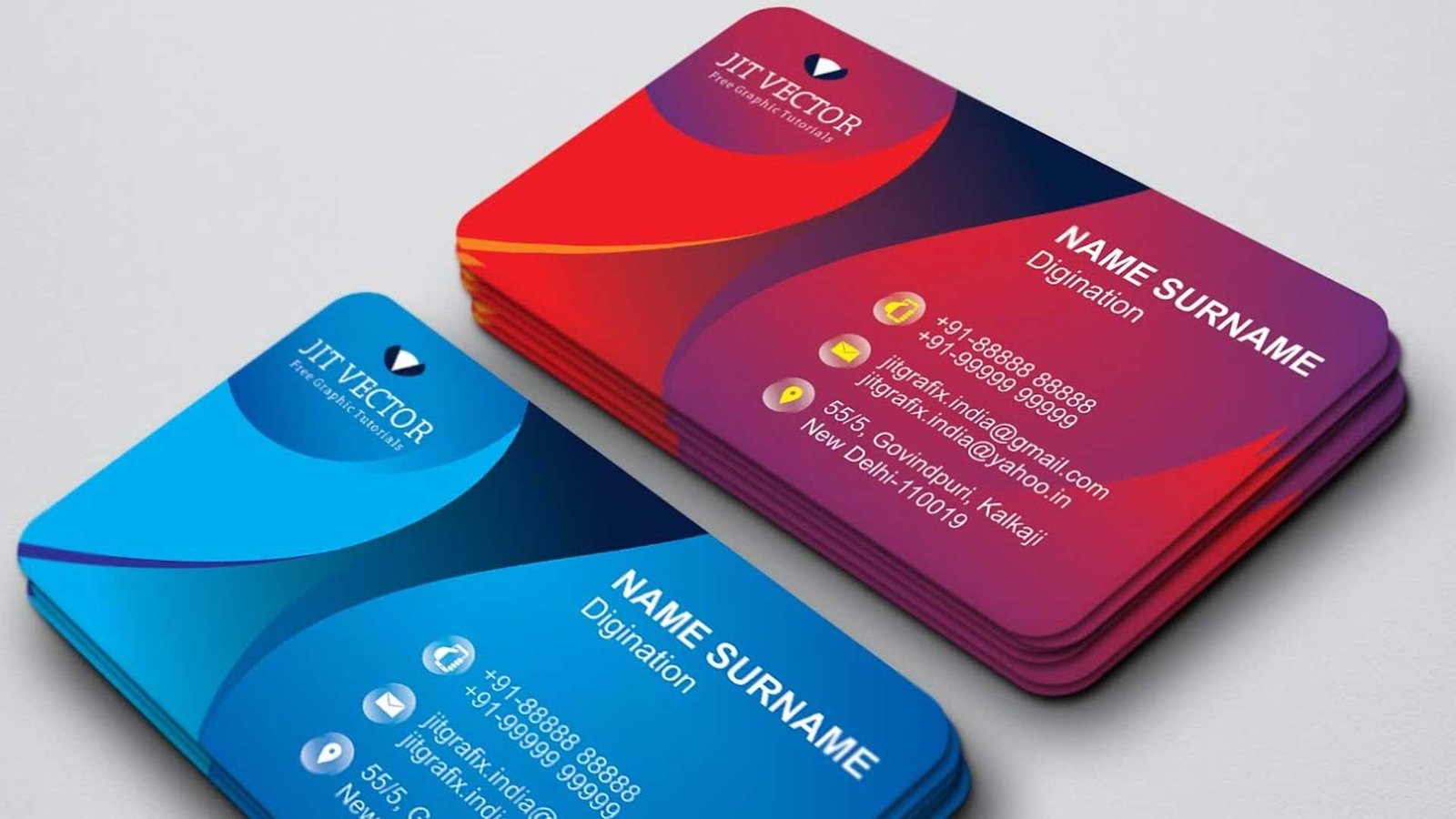
In today’s fast-paced business world, a business card is more than just a contact tool—it’s your first impression. With hundreds of cards exchanged at networking events, conferences, and meetings, how do you ensure yours stands out? In this guide, we’ll explore actionable strategies for designing business cards that leave a lasting impression.
1. Choose the Right Shape and Size
Most business cards follow the standard 3.5 x 2 inches format, but thinking outside the box can set you apart. Consider:
-
Square cards for a modern look
-
Mini cards for portability
-
Custom die-cut shapes to reflect your brand identity
SEO Tip: Include keywords naturally: “unique business card shapes” and “creative business card designs”.
2. Use Eye-Catching Colors
Color plays a psychological role in brand perception. To stand out:
-
Stick to 2–3 brand colors to maintain consistency
-
Use bold accent colors for key elements like your logo or contact details
-
Consider a matte finish with glossy highlights for a tactile difference
SEO Tip: Phrases like “business card color ideas” and “standout color schemes for business cards” can boost search visibility.
3. Select the Perfect Typography
Typography communicates your brand personality. Keep these in mind:
-
Use readable fonts for your name and contact info
-
Pair a bold headline font with a clean body font
-
Avoid overcrowding; white space is your friend
SEO Tip: Keywords like “best fonts for business cards” or “professional typography tips” improve search ranking.
4. Incorporate Your Brand Elements
Your business card should reflect your brand identity. Include:
-
Logo placement that’s prominent but balanced
-
Tagline or brand mission (if short and impactful)
-
Consistent use of brand colors and fonts
5. Add Unique Finishes or Materials
Tactile elements can make your card unforgettable:
-
Embossing or debossing for logos or text
-
Foil stamping for metallic accents
-
Textured or recycled paper for a premium or eco-friendly feel
SEO Tip: Terms like “luxury business cards” or “premium card finishes” attract high-intent readers.
6. Keep It Simple and Clear
Less is often more. Ensure your card communicates essential info without clutter:
-
Name and title
-
Company and logo
-
Contact info (phone, email, website)
-
Optional QR code linking to portfolio or LinkedIn
Pro Tip: QR codes can boost engagement while keeping your design minimal.
7. Test and Get Feedback
Before printing a large batch:
-
Show your design to colleagues or friends
-
Check readability under different lighting
-
Ensure alignment and color consistency
Conclusion
A business card is a mini-brand ambassador. By carefully selecting shape, color, typography, materials, and branding, you can create a card that not only shares your contact information but also leaves a lasting impression. Remember, in the world of networking, a card that stands out can be the difference between being remembered or forgotten.
