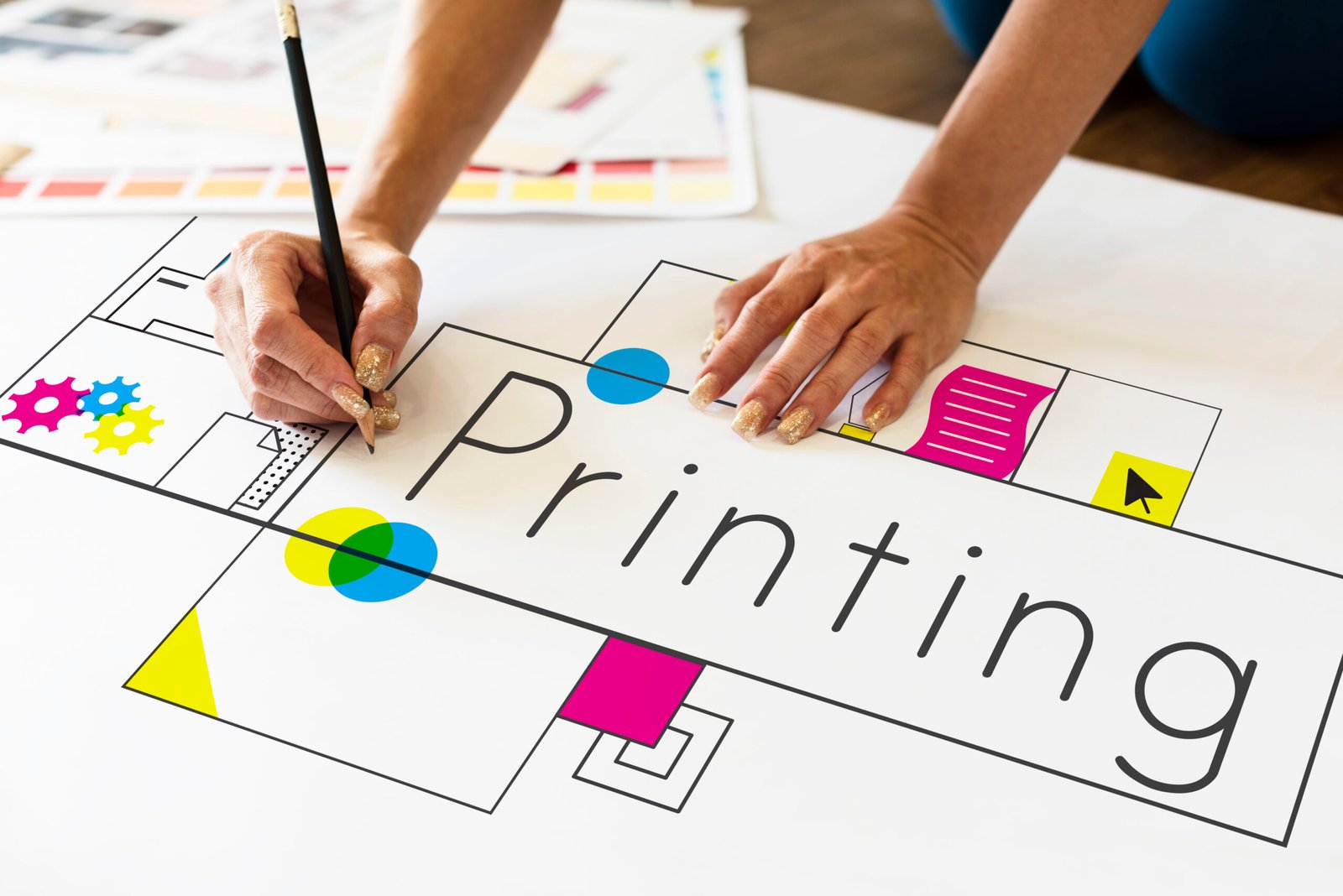
Whether it’s a brochure, flyer, poster, or business card, effective print design helps deliver your message clearly and leaves a strong impression.
In this blog, we’ll explore the key elements of effective print design and how they contribute to professional, impactful results.
1. Clear Purpose and Message
Every effective print design starts with a clear goal.
Before designing, ask:
-
What message should the design communicate?
-
Who is the target audience?
-
What action should the viewer take?
A focused message ensures your print design is easy to understand and effective.
2. Strong Visual Hierarchy
Visual hierarchy guides the viewer’s eye through the design.
Effective print design uses:
-
Headings to grab attention
-
Subheadings for structure
-
Body text for details
This helps readers quickly understand the most important information first.
3. Consistent Branding
Brand consistency builds recognition and trust.
Effective print design maintains:
-
Brand colors
-
Fonts and typography
-
Logo placement
Consistency across all print materials strengthens brand identity.
4. Color Selection and Contrast
Color plays a powerful role in print design.
Good color choices:
-
Attract attention
-
Convey emotions
5. Typography and Readability
Typography affects how easily your message is read.
Effective print design uses:
-
Legible fonts
-
Proper font sizes
-
Balanced line spacing
Avoid using too many fonts, as this can make the design look cluttered.
6. High-Quality Images and Graphics
Images enhance visual appeal and storytelling.
To ensure effective print design:
-
Use high-resolution images
-
Avoid pixelation
-
Choose visuals that support the message
Poor image quality can reduce the overall impact.
7. White Space (Negative Space)
White space improves clarity and balance.
It:
-
Reduces clutter
-
Highlights important elements
-
Makes designs look clean and professional
Effective use of white space improves readability and focus.
8. Layout and Alignment
A well-structured layout brings everything together.
Proper alignment:
-
Creates balance
-
Improves flow
-
Makes content easier to scan
9. Print Quality and Materials
The final output matters as much as the design.
Consider:
-
Paper type and finish
-
Print resolution and color accuracy
-
Bleed and margins
High-quality materials enhance the overall perception of your brand.
10. Clear Call-to-Action (CTA)
An effective print design should guide the viewer toward action.
Examples include:
-
Visit our website
-
Call us today
-
Scan the QR code
A strong CTA ensures your print material delivers results.
Final Thoughts
Effective print design is a combination of strategy, creativity, and technical precision. By focusing on these elements of effective print design, businesses can create print materials that communicate clearly, look professional, and leave a lasting impression.
If you want your print designs to stand out, always prioritize clarity, consistency, and quality.
