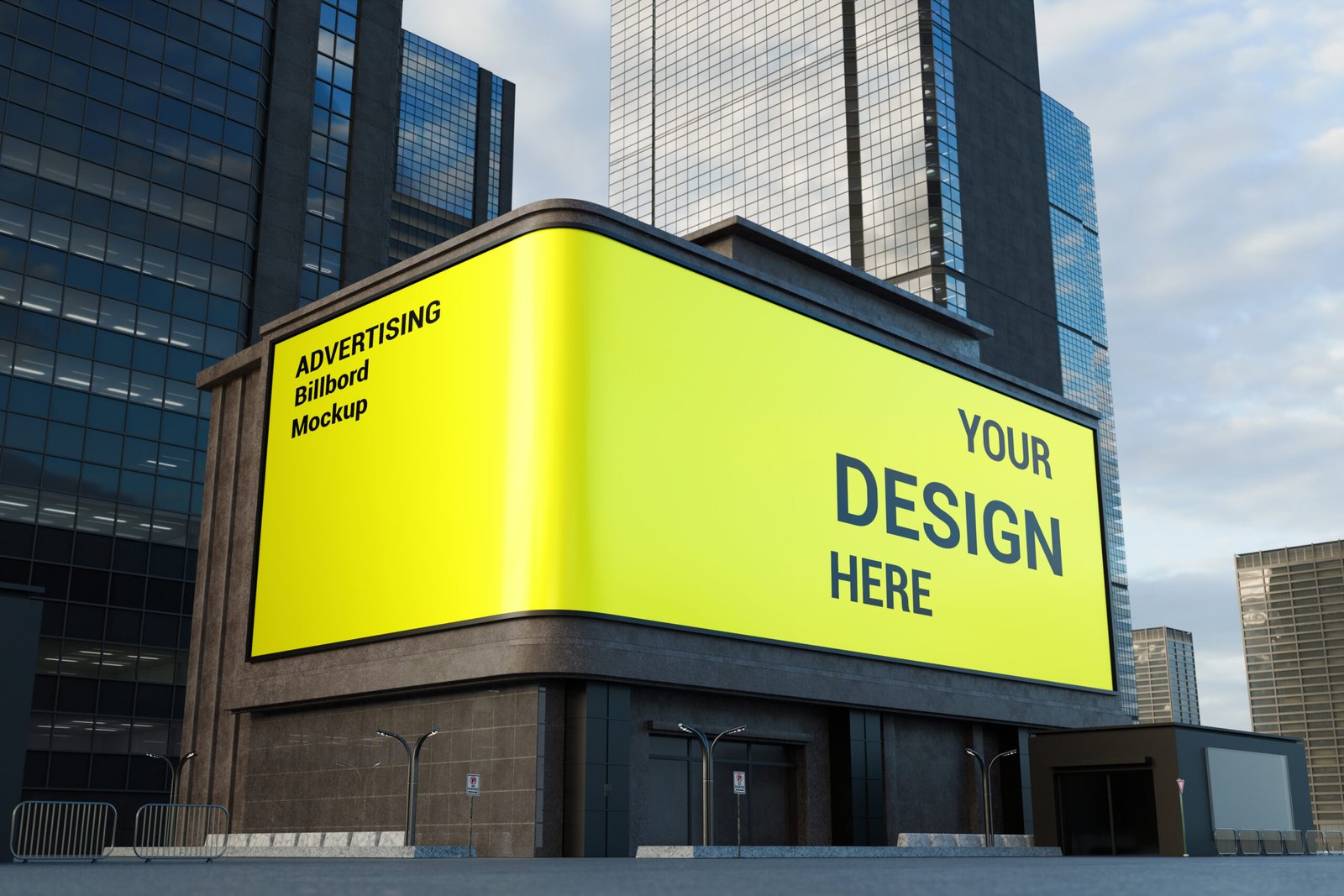
Billboard graphics are one of the most impactful forms of outdoor advertising. Even in today’s digital-first world, billboards continue to capture attention, build brand awareness, and influence purchasing decisions. A well-designed billboard can communicate a message to thousands—or even millions—of people every day.
In this blog, we’ll explore what billboard graphics are, why they matter, key design principles, types of billboards, and best practices for creating effective billboard designs.
What Are Billboard Graphics?
Billboard graphics refer to the visual design elements used on large outdoor advertising boards. These include images, typography, colors, logos, and short messages that are strategically designed to be seen and understood quickly by people passing by—often at high speed.
Unlike digital ads or print brochures, billboard graphics must deliver their message in just a few seconds. This makes clarity, simplicity, and visual impact extremely important.
Why Billboard Graphics Are Important
1. Massive Visibility
Billboards are placed in high-traffic areas such as highways, busy roads, city centers, and commercial zones. This ensures continuous exposure to a wide audience.
2. Strong Brand Recall
Bold visuals and concise messaging help people remember a brand. Repeated exposure reinforces brand identity over time.
3. Non-Skippable Advertising
Unlike online ads, billboards cannot be skipped, blocked, or ignored easily. They naturally become part of the viewer’s environment.
4. Cost-Effective in the Long Term
While the initial cost may seem high, billboards offer excellent value when measured by impressions over weeks or months.
Key Elements of Effective Billboard Graphics
1. Clear and Simple Message
A billboard should communicate one main idea. Ideally, the message should be readable and understandable within 5–7 seconds.
Tip: Use no more than 6–8 words whenever possible.
2. Strong Visuals
High-quality images or illustrations grab attention faster than text. Visuals should be relevant to the product or service and emotionally engaging.
3. Bold Typography
Fonts must be large, clean, and easy to read from a distance. Sans-serif fonts usually work best for billboard graphics.
4. High Color Contrast
Strong contrast between background and text improves readability.
5. Brand Identity
The logo, brand colors, and tone should be consistent with other marketing materials. This builds trust and recognition.
Types of Billboard Graphics
1. Traditional Static Billboards
These are printed billboards made from vinyl or paper. They are cost-effective and widely used for long-term campaigns.
2. Digital Billboards
Digital billboards use LED screens and can display multiple ads in rotation. They allow for dynamic content, animations, and quick updates.
3. Mobile Billboards
Ads placed on trucks or vans that move around specific locations. They are useful for targeted local promotions.
4. 3D and Creative Billboards
These billboards use physical extensions, 3D elements, or unique shapes to stand out. They are highly memorable but usually more expensive.
Best Practices for Billboard Graphic Design
-
Design for distance: Always test how your design looks from far away.
-
Focus on one call-to-action: Such as a website, phone number, or brand name.
-
Avoid clutter: Too many elements confuse viewers.
-
Use location wisely: Design your message based on where the billboard is placed (highway vs. city street).
-
Think mobile-first: Many people will search your brand on their phones after seeing the billboard.
Common Mistakes to Avoid
-
Using too much text
-
Low-quality or pixelated images
-
Poor color contrast
-
Complicated messages
-
Ignoring viewing speed and angle
The Future of Billboard Graphics
With advancements in technology, billboard graphics are becoming more interactive and data-driven. Digital billboards can now change content based on time, weather, or audience demographics. Augmented reality (AR) and QR codes are also being integrated to connect outdoor advertising with digital experiences.
Conclusion
Billboard graphics remain a powerful marketing tool when designed correctly. By combining simplicity, strong visuals, clear messaging, and strategic placement, businesses can create billboard ads that leave a lasting impression. Whether traditional or digital, effective billboard graphics can significantly boost brand visibility and awareness.
